How much do malaria tablets cost?
From 50p per tablet. The total depends on which tablet you need and how long you're away.
Rated 4.9
Get anti-malarial tablets and expert travel health advice, as early as today, from Blackpool Express Chemist.
No vaccine exists for malaria in the UK, so the right tablets and a proper risk assessment are your best protection.
Every consultation is face-to-face with a GPhC-registered pharmacist, so you get the malaria tablets that suit your trip, your health history and your destination.
From 50p per tablet. The total depends on which tablet you need and how long you're away.
Malarone (or generic atovaquone-proguanil), doxycycline and mefloquine.
Daily for Malarone and doxycycline, or weekly for mefloquine. Take them before, during, and after your trip.
Yes. Malarone and doxycycline only need starting 1–2 days before you travel.
At least a week before you travel, or 4–6 weeks before if you need vaccinations too.
Yes, but you don't need to see your GP. Our pharmacists can prescribe them at your free consultation.
Yes. Children's doses are based on their weight.
Usually mild, such as a headache, nausea or an upset stomach.
If you get a fever or flu-like symptoms within a year of travelling, get medical help straight away, even if you took your tablets.
Malaria is a serious, potentially fatal disease caused by parasites spread through infected mosquitoes. It’s found in large parts of Africa, Asia, Central and South America, and some Pacific Islands.
There is no vaccine for malaria, so prevention comes down to two things – getting the right malaria tablets and reducing your risk of being bitten.
At Blackpool Express Chemist, our trained pharmacists assist with both, providing a risk assessment based on where you’re going and how you’re travelling.
Malaria symptoms usually appear between 7 and 30 days after infection, but in some cases, they may take months to develop.
Early signs of malaria are similar to the flu, which is why prevention through anti-malarial tablets matters so much. Malaria symptoms typically include:
Left untreated, or when misdiagnosed, malaria can progress quickly, resulting in organ failure, seizures and breathing difficulties. Malaria can also be fatal and is particularly dangerous for children, pregnant women and people with weakened immune systems.
If you develop these symptoms within a year of travelling somewhere malaria is found, seek medical help immediately and mention your travel history.
Malaria is widespread across tropical and subtropical regions, especially where humidity and mosquito populations are high. This includes:
The Malaria risk varies depending on where you are in countries and specific regions. For up-to-date information on countries and regions where malaria is a risk, view the National Travel Health Network and Centre (NaTHNaC) website.
The specific type of malaria prevention tablet that suits you best can depend on drug-resistance patterns specific to your destination and medical history. This is a key reason why having a proper conversation with a pharmacist is better than buying malaria tablets online.
Some of the most popular long-haul destinations from Lancashire and the North West are in malaria-risk areas, and it’s not always obvious which ones. If you’re flying from Manchester or Liverpool for winter sun, a safari or a once-in-a-lifetime trip, check whether you need protection before you book.
Risk can change by region, season and type of trip, so a beach holiday and a trek through rural areas of the same country can need different advice. Not sure? Book a free consultation and we'll check your exact itinerary.
Wherever you’re heading, make sure you get in touch with us at least a week before you travel.
Travelling sooner? Don’t worry. Book a malaria consultation at our Blackpool Travel Clinic anyway. Doxycycline and Malarone only need to be started a couple of days before travel, so we can still help.
Your pharmacist will check your full medical history and any medication you take before recommending a tablet.
| Malarone/Atovaquone-Proguanil | Doxycycline | Mefloquine (Lariam) | |
|---|---|---|---|
| Price per tablet | £2 | 50p | £4 |
| Example cost for a 2-week trip | £28 | £7 | £56 |
| Dosage | One tablet per day | One tablet per day | One tablet per week |
| When should you start taking it | 1-2 days before entering a risk area | 1-2 days before entering a risk area | 2-3 weeks before entering a risk area |
| When do you stop taking the medication | 7 days after leaving | 4 weeks after leaving | 4 weeks after leaving |
| How to take | Same time each day, with food or a milky drink | Upright, with a full glass of water, ideally with food | Same day each week, after food with water |
| Common side effects | Headache, nausea, stomach pain, diarrhoea | Nausea, indigestion, sun sensitivity | Vivid dreams, sleep problems, dizziness, anxiety, low mood |
| Are they suitable for children? | Yes – paediatric tablets available (dosed by weight) | Not for children under 12 | Yes – dosed by weight |
| Not suitable for | People with severe kidney problems or an allergy to atovaquone or proguanil | Children under 12 and people allergic to tetracycline antibiotics | People with a history of depression, anxiety, other mental health conditions or seizures, and people with certain heart rhythm problems or severe liver disease |
| Are they suitable for long trips? | Can be used for up to 1 year | Can be used for up to 2 years | Can be used for up to 3 years |
| What is this medication best for? | Short trips, last-minute travel, fewer tablets after return | Longer trips and budget-conscious travellers | Long trips and people who prefer weekly dosing |
Blackpool Express Chemist offers different types of anti-malarial tablets, so we can tailor your medication based on factors like your medical history and destination. We offer these anti-malaria tablets:
Not sure what you need? Book a free consultation, and we'll go through your destination, activities and medical history to create a risk assessment and recommend treatments.
We don’t do faceless, online ordering. Instead, we invite you to our Common Edge and Waterloo Road pharmacies for an in-person consultation. This ensures we can assess your needs properly, rather than assume things from a form. Here’s how the process works…
Use our online booking system to secure a time that works for you.
We'll go through your destination, activities and medical history – creating a risk assessment and recommending the treatments you need.
In most cases, you'll leave with your tablets and clear instructions on when to start and stop taking them.
Anti-malaria tablets work best when you take steps to reduce your risk of being bitten. To do this, we recommend:
Most people can take malaria tablets safely, but a few things can affect which option is right for you, and some people might need extra care or a different choice altogether – this includes:
This isn't a complete list, and none of these automatically rule you out. Your pharmacist will check your full medical history and any medication you take before recommending a tablet, so just let us know during your consultation if any of these apply to you.
If you're travelling to see family in a country where malaria is found, it's easy to think of it as going home rather than travelling. But in 2023, 74% of malaria cases in UK travellers were people visiting friends and relatives, according to the UKHSA.
Thinking you’re immune because you used to live somewhere or your family do is one of the most common reasons people skip malaria tablets. However, any natural protection you built up fades quickly once you live in the UK. And children born or raised here have no immunity at all.
Tablets sold abroad may not be the right type for prevention, and in some countries fake or poor-quality antimalarials can be a problem. Getting your malaria tablets from Blackpool Express Chemist means you know exactly what you're taking and how to take it.
The good news is that protecting yourself is simple. Our Blackpool pharmacists can recommend tablets that suit longer stays, advise on options for children of all ages, and make sure the whole family is covered before you go. And, if you need vaccinations for the same trip, we can sort those at the same appointment.
Patients across Lancashire trust us with their travel health, vaccinations, private blood tests, ear wax removal, testosterone replacement therapy, and more, because we give you the answers you need and the care you deserve.
Our team of trained pharmacists takes the time to understand your itinerary and medical history to make sure you get the right protection, so you can enjoy your trip to its fullest.
With over 15 years of experience in the pharmacy field, I’ve dedicated my career to serving the Blackpool community, bringing a dynamic and modern approach to healthcare.
As an independent prescriber, I operate our private prescribing clinic, offering treatments for a variety of minor illnesses. Additionally, I manage our Weight loss clinic and provide intramuscular vitamin injections, as well as services through our health, wellbeing and skin clinic. My commitment is to deliver professional, safe, and affordable healthcare to my patients, which is what I strive to achieve every day.
Outside of my professional life, I have a passion for exploring diverse cuisines and enjoy trying new foods. I also love spending time in nature, exploring woodlands, and embarking on long, adventurous walks with my husband.
Hello, I’m Imran, a dedicated pharmacist with nine years of diverse and comprehensive experience in the pharmaceutical field. Throughout my career, I have successfully managed some of the busiest community pharmacies in the North West of the UK, worked extensively as a locum pharmacist, and acquired substantial experience in hospital pharmacy settings. My expertise extends to specialized services, including ear wax removal and travel vaccinations consultancy.
My primary goal is to ensure that the community I serve receives the highest standard of care. I have witnessed firsthand the numerous challenges patients encounter in accessing quality healthcare, from long wait times to insufficient medical advice. These experiences have fueled my commitment to reversing these trends by providing efficient, empathetic, and comprehensive healthcare solutions. I believe that being a pharmacist is not just about dispensing medications; it’s about being a trusted healthcare advisor and advocate for my patients’ well-being.
In addition to my professional pursuits, I am deeply committed to personal health and fitness. I am an avid football player, a regular gym-goer, and find great joy in gardening. These activities not only keep me physically active but also help me maintain a balanced and healthy lifestyle, which I believe is crucial in providing the best care to my patients.
You can get access to the following travel vaccinations from our Blackpool-based pharmacies…
You can book travel health consultations, vaccinations and appointments (subject to availability) at either of our two Blackpool travel clinics, on Waterloo Road or Common Edge.
Please note, yellow fever vaccinations are only available from our Waterloo Road pharmacy.
Contact our friendly team via email: info@express-chemist.co.uk
Book Your Malaria ConsultationRead what our customers in the Blackpool area have to say about our services…
As well as covering all things travel health and vaccinations, we offer a wide range of services, tests and advice to help you lead a healthier, happier life.
Don’t forget, we can also manage your prescriptions. Choose us as your preferred pharmacy, and your prescriptions will be sent to us electronically – so you can stop collecting paper ones from your GP.
Discover more health insights and travel vaccine information from our experts on the Blackpool Express Chemist blog.
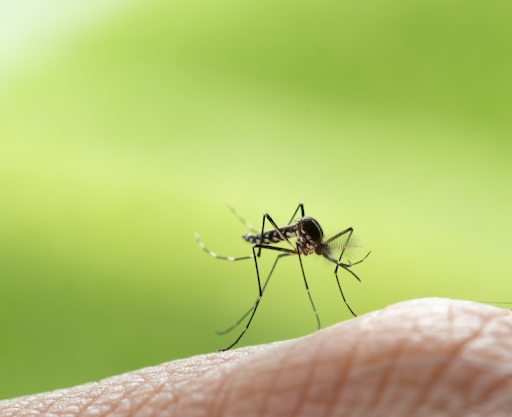
Malaria is spread by the bite of an infected female Anopheles mosquito carrying the Plasmodium parasite.
Once in your bloodstream, the parasite travels to the liver, where it grows and multiplies. It then moves back into the bloodstream and infects red blood cells, causing symptoms like fever, chills, headaches and fatigue.
It spreads further when a mosquito bites someone who already has malaria. The parasite develops inside the mosquito for 10 to 18 days, then passes to the next person it bites through its saliva.
So malaria isn't contagious through casual contact, like hugging or sneezing. In rare cases, it can spread through blood transfusions, shared needles or from mother to baby.
No, you can’t. Malaria tablets for travel are not available on the NHS and need to be obtained privately, whether from a pharmacy like ours, a travel clinic, or a GP surgery that offers travel health services.
You'll need to book an in-person consultation at either our Waterloo Road or Common Edge pharmacy, because we don't currently offer online ordering or delivery.
This means one of our pharmacists assesses your actual trip and health history before recommending anything, rather than working from a short online form.
The main options in the UK are Malarone (or its generic version, atovaquone-proguanil), doxycycline and mefloquine (Lariam).
At both of our Blackpool Express Chemist locations, we stock all three, and each one suits different trips and travellers. You can compare prices, dosing and who each one suits in our table above.
During your consultation, we'll recommend the one that best fits your destination, trip length and health history.
Most people tolerate it well, but some very common side effects include headache, nausea, vomiting, stomach pain and diarrhoea.
Less common effects include sleep disturbances, dizziness, low mood and loss of appetite. Serious allergic reactions are rare, but you should seek medical help if your face or throat swells, or you find breathing difficult.
This depends on their age and weight, because some anti-malarials aren't suitable for very young children, and dosing is calculated differently for kids than adults.
Bring your child along to your travel health consultation (or let us know their age and weight in advance), and we'll recommend a suitable option.
Yes, tablets work best alongside bite prevention, not instead of it. Use 50% DEET insect repellent, sleep under a treated mosquito net, wear long sleeves and trousers in the evening, and stay in screened or air-conditioned rooms where you can. No single measure is 100% effective, so layering them up matters.
Yes. UK guidance says Malarone can be used for trips of up to a year, doxycycline for up to two years and mefloquine for up to three years, and sometimes longer if you're not getting significant side effects.
Yes – all the malaria tablets we offer are prescription-only. That's exactly why we require a consultation rather than counter sales; a pharmacist needs to assess your health and trip before prescribing.
The usual dose is one 100mg tablet daily, starting 1-2 days before you enter a risk area and continuing for 4 weeks after you leave, but we'll confirm your exact schedule at your consultation. Take it while upright with plenty of water and, ideally, with food.
You also need to be aware that Doxycycline increases sun sensitivity, so high-SPF sunscreen is a must.
UK guidance advises pregnant women to avoid travelling to malaria-risk areas where possible, because malaria in pregnancy can be serious for both mother and baby.
If your trip can't be avoided, effective prevention is essential. Some anti-malarial tablets aren't suitable during pregnancy, and older options that are considered safe, like chloroquine and proguanil, no longer work well in most areas, particularly sub-Saharan Africa.
If you're pregnant or breastfeeding, speak to your GP for advice before you travel, and make sure you mention it at your consultation with us.
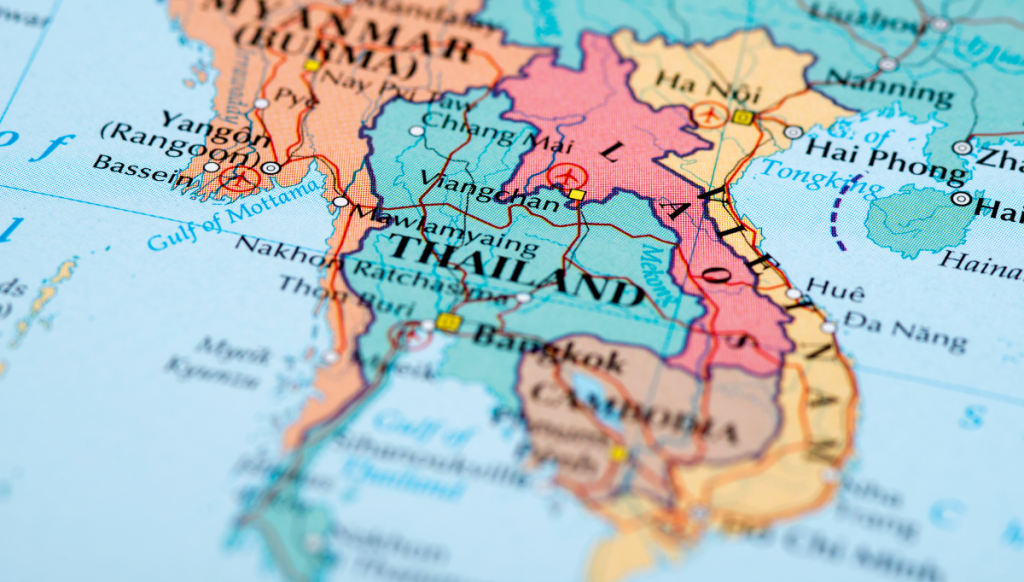
Only if you're travelling to certain areas. Malaria in Thailand is concentrated in specific regions rather than spread across the country. If you're visiting forested, rural areas, particularly along the borders with Myanmar, Laos and Cambodia, malaria tablets may be recommended.
Tourist hotspots like Bangkok, Chiang Mai city, Phuket, Koh Samui and the other major islands have negligible risk. So for a typical beach or city holiday, malaria tablets usually aren't recommended, though bite prevention is still sensible.
Heading to Thailand soon? Our guide explores the vaccinations you need, and when to get them, so you can ensure you’re covered. Read it here: Travel Vaccinations For Thailand: What You Need & When.
This all depends on the tablet you’ve been given:
Malarone and doxycycline are started 1-2 days before you arrive in a malaria-risk area, so they work well for last-minute trips.
Mefloquine needs starting 2-3 weeks before you travel.
Make sure you book your consultation 4-6 weeks before you go so we can sort any vaccinations too. If you're travelling sooner than that, book anyway, because we can usually still help.
If you miss a dose, take it as soon as you remember, then carry on at your usual time. Don't take two doses at once to make up for it.
If you're sick within an hour of taking Malarone, take another dose. Vomiting or diarrhoea can also stop tablets being absorbed properly, so if it keeps happening, or you've missed several doses, you may not be fully protected.
In either case, check the leaflet that comes with your tablets or give us a call, and we'll tell you what to do.
Yes – any immunity you had fades quickly once you've been living in the UK, so you're just as vulnerable as any other traveller. Anyone born or raised in the UK, including your children, has no immunity at all. We recommend that everyone travelling to a malaria-risk area gets proper protection, whatever their background.
Usually not. Saudi Arabia is listed as a malaria-risk country, but there's no risk in Makkah, Madinah, Jeddah, Riyadh or Ta'if. The only risk is very low and limited to the south-west, near the border with Yemen.
If you're only travelling for Hajj or Umrah, you won't normally need tablets, but it's still worth avoiding mosquito bites. You will, however, need a Meningitis ACWY vaccination certificate, which we can provide.
If you get a fever, chills, sweats or flu-like symptoms within a year of visiting a malaria-risk area, get medical help straight away, even if you took your tablets. Contact your GP or NHS 111, or go to A&E if you feel very unwell, and tell them where you've been.

Typically replies within an hour
I will be back soon