
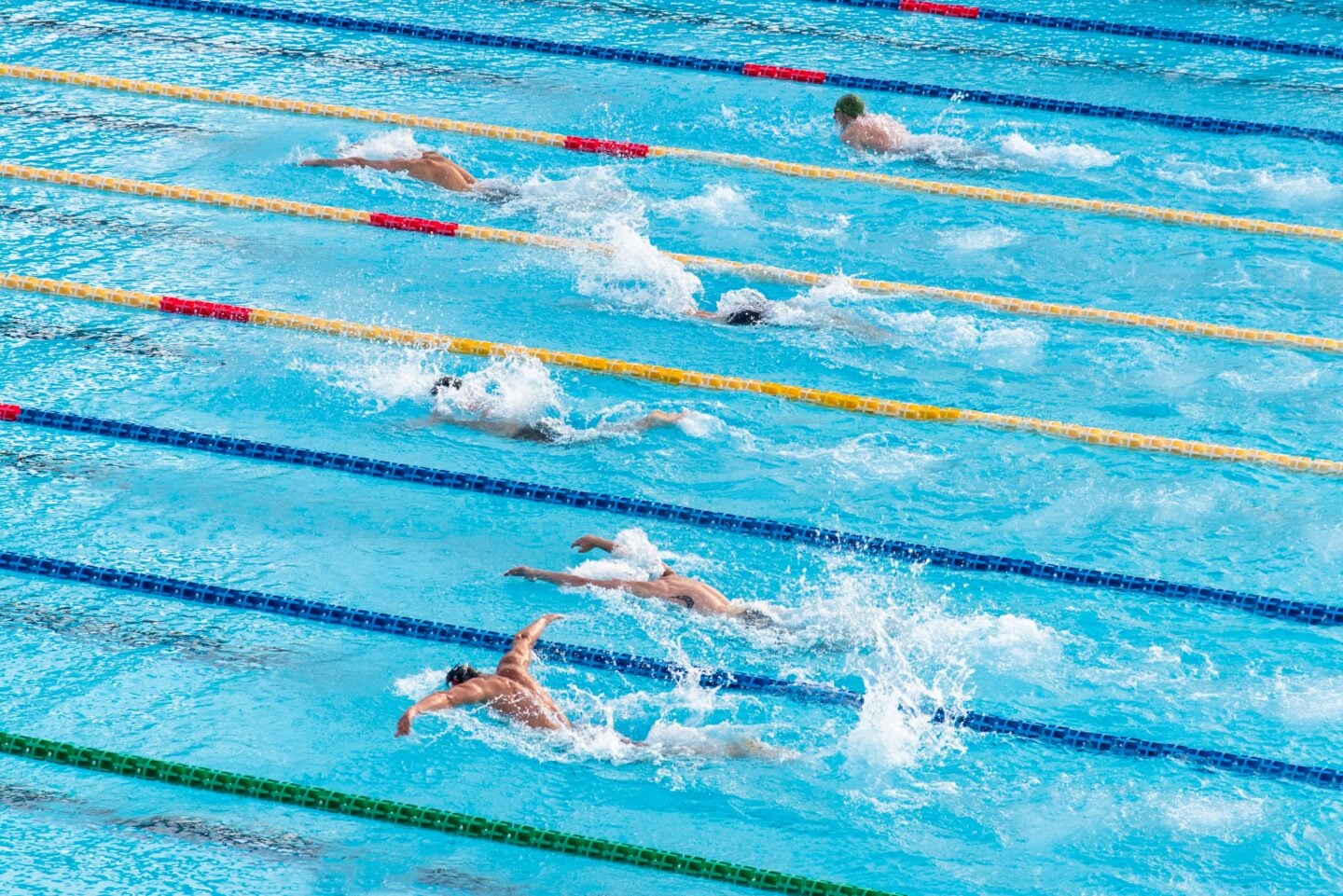
Yes, swimming can be highly effective for weight loss when done consistently and paired with sensible eating habits. Swimming is a full-body cardiovascular exercise that burns a substantial number of calories, builds lean muscle, and places minimal stress on your joints—making it an excellent choice for people of varying fitness levels and body types.
Whether swimming helps you lose weight depends on several factors, including how often you swim, the intensity of your sessions, your overall diet, and your individual metabolism. Understanding how swimming works for weight loss, and how to approach it strategically, can help you decide if it’s the right exercise for your goals.
How Swimming Burns Calories
Swimming engages multiple muscle groups simultaneously—your arms, legs, core, back, and shoulders all work together to propel you through the water. This comprehensive muscle involvement increases energy expenditure, meaning you burn more calories compared to exercises that target fewer areas.
The number of calories you burn while swimming varies based on your weight, the stroke you use, and how hard you push yourself. On average, a person weighing around 70 kg (11 stone) might burn approximately 400–700 calories per hour of moderate to vigorous swimming. More intense strokes like butterfly or front crawl at a fast pace burn calories at the higher end of this range, while leisurely breaststroke burns fewer.
The resistance provided by water also means your muscles work harder than they would during many land-based activities, which can contribute to muscle tone and a higher resting metabolic rate over time.
Swimming Compared to Other Exercises
Swimming offers unique advantages for weight loss, but it’s worth understanding how it compares to alternatives like running, cycling, or gym workouts.
One key benefit is its low-impact nature. Because water supports your body weight, swimming is gentler on joints and connective tissues, reducing injury risk. This makes it particularly suitable for individuals with joint pain, arthritis, or those recovering from injury who still want to maintain or lose weight.
However, some research suggests that swimming may not suppress appetite in the same way running does, and cooler water temperatures might stimulate hunger in some people. This doesn’t mean swimming is less effective—it simply highlights the importance of being mindful about post-swim eating.
Running and high-intensity interval training may burn slightly more calories per minute for some individuals, but sustainability matters more than short-term burn rates. If you enjoy swimming and can do it regularly, it will likely serve you better than an exercise you dread.
Factors That Influence Weight Loss Results
Consistency is the most critical factor. Swimming once a week is unlikely to produce significant weight loss on its own. Aim for at least three to four sessions per week, each lasting 30–60 minutes, to see meaningful results.
Intensity also matters. Casual, slow swimming burns fewer calories than interval training or sustained moderate-to-vigorous effort. Mixing different strokes, incorporating sprints, or using equipment like pull buoys and kickboards can increase intensity and keep workouts engaging.
Your diet plays an equally important role. Swimming increases appetite for some people, so being conscious of portion sizes and food choices is essential. You cannot out-swim a consistently excessive calorie intake.
Individual variation is another factor. Genetics, age, hormone levels, sleep quality, and stress all influence how your body responds to exercise. Some people lose weight more readily with swimming, while others may need to combine it with strength training or dietary adjustments.
Practical Tips to Maximise Weight Loss While Swimming
To get the most from swimming for weight loss, consider varying your workouts. Alternate between steady-paced sessions and interval training—for example, swim hard for one length, then recover for one length, and repeat.
Focus on technique. Efficient swimming allows you to sustain higher intensities for longer, which increases calorie burn. If you’re new to swimming, a few lessons with a qualified instructor can make a significant difference.
Track your sessions. Keeping a log of distance, time, and perceived effort helps you monitor progress and stay motivated.
Combine swimming with other forms of exercise if possible. Adding resistance training or land-based cardio can enhance overall fat loss and metabolic health.
Pay attention to hunger and fullness cues. If you find yourself especially hungry after swimming, plan a balanced snack or meal with protein and fibre to satisfy hunger without overshooting your calorie needs.
What to Expect Realistically
Weight loss from swimming, like any exercise, takes time. Expecting dramatic changes within a week or two is unrealistic. Most people begin noticing improvements in fitness, muscle tone, and energy within a few weeks, with measurable weight loss appearing over several months of consistent effort.
Swimming also builds muscle, which is denser than fat. You may notice your clothes fitting differently or your body composition improving even if the number on the scale doesn’t drop as quickly as expected.
It’s also worth noting that swimming in cold water may slightly alter how your body stores and uses fat, though the overall impact on weight loss remains unclear and varies individually.
Who Benefits Most from Swimming for Weight Loss?
Swimming suits a wide range of people. It’s particularly beneficial for those with joint issues, older adults, individuals with higher body weights, pregnant women (with medical clearance), and anyone seeking a low-impact yet effective workout.
People who enjoy being in water, find running or high-impact exercise uncomfortable, or have limited mobility on land often find swimming both enjoyable and sustainable—two factors that significantly improve long-term adherence.
Support Beyond the Pool
Swimming is a brilliant foundation for weight loss, but sometimes it helps to have a little extra guidance alongside your efforts.
At Blackpool Express Chemist, our weight loss service is designed to support you with a personalised, practical approach tailored to where you are right now. Whether you’re just getting started or looking to break through a plateau, our team can help you understand what’s working, what isn’t, and what small changes could make a real difference.
No judgement. No one-size-fits-all plans. Just straightforward, friendly support from people who understand that weight loss is about more than just exercise.
Ready to take the next step? Book a weight loss consultation at Blackpool Express Chemist and get the support to make your efforts count.