
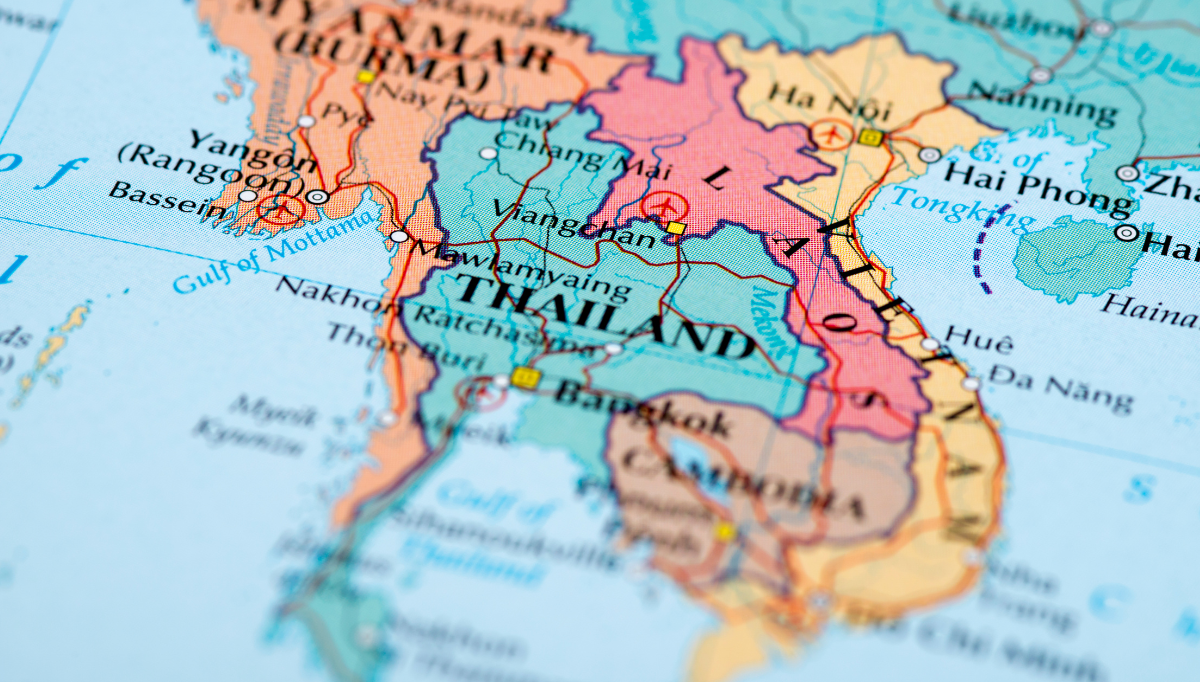
Thailand is hugely popular with UK travellers, with over a million tourists visiting each year. As well as being full of stunning beaches, like Phuket and Koh Phangan, food markets and centuries-old temples, Thailand’s a gateway to Southeast Asia, making it a popular destination with backpackers looking to explore the region.
Before you pack your bags, though, you need to make sure you organise your travel vaccinations for Thailand, because some diseases found there simply aren’t a risk back home.
The good news is that most vaccines aren’t compulsory, and getting sorted doesn’t need to be complicated.
What’s In This Guide?
Do You Need Vaccinations For Thailand?
Yes, it’s likely you will need to get vaccinated before you travel to Thailand; however, the exact list depends on your itinerary, how long you’re staying, and what you’re planning to do.
Follow the information below as a general rule of thumb…
- Recommended for most travellers: Hepatitis A, and making sure your routine UK vaccines (like diphtheria, tetanus and polio) are up to date
- Worth considering depending on your trip: Typhoid, hepatitis B, rabies and Japanese encephalitis
- No risk within Thailand itself, but a certificate may be needed: Yellow fever, if you’re arriving from, or have had a long transit through, a country where it’s present
Heading off on a longer trip? We’ve got you covered. Our Blackpool-based team can check your itinerary, creating a risk assessment for your destinations, so you can get the vaccines you need before you take off.
To find out exactly what you need beforehand, book a travel health consultation with a pharmacist.
Which Vaccinations Do You Need For Travelling To Thailand?
Here’s a closer look at the main vaccines you need if you’re travelling to Thailand, along with how much they cost at Blackpool Express Chemist:
| Travel jab and cost | Why you need it |
| Hepatitis A (£45) | Hepatitis A is spread through contaminated food and water, and a jab is recommended for most previously unvaccinated travellers. |
| Typhoid (£40) | Typhoid is another food- and water-borne illness, worth considering for longer trips or if you’re staying somewhere rural. |
| Diphtheria, Tetanus & Polio (DTP) (£40) | A booster is recommended if your last one was over ten years ago. |
| Yellow Fever (£85) | To enter Thailand, you must have a certificate to prove you’ve had a yellow fever vaccination if you’re coming from a country listed as a transmission risk. |
| Cholera (£75 for a two-dose course) | If you’re visiting remote regions or areas with poor sanitation, a cholera vaccine can help you avoid getting seriously ill and dehydrated. |
| Hepatitis B (£45) | Considered for longer stays, or if you might need medical treatment, get a tattoo, or take part in contact sports while away. |
| Rabies (£105 per dose) | Thailand has a rabies risk, particularly from dogs, so it’s recommended for longer trips, rural travel, or if you’ll be around animals. |
| Japanese Encephalitis (£110 per dose) | This is spread by mosquitoes and more relevant if you’re visiting rural areas or staying for an extended period. |
| Chikungunya (£180) | Another disease spread by mosquitoes, chikungunya causes sudden fever and severe joint pain, and is recommended as a vaccine after NaTHNaC reported an increase in cases specifically in Chiang Mai. |
| Dengue (£120 per dose) | Also spread by mosquitoes, dengue fever vaccines are most recommended to people who’ve already contracted the disease. |
Not every traveller will need every jab on this list – it depends on your plans, which is why we offer a pre-travel consultation.
Are Vaccinations For Travelling To Thailand Free On The NHS?
Some, like Hepatitis A and typhoid, may be available free through your GP surgery depending on clinical need and appointment availability. Others, such as Hepatitis B, rabies and Japanese encephalitis, are not routinely NHS-funded for travel and are usually private.
Going private with Blackpool Express Chemist means no GP referral, clear upfront pricing, and same- or next-day appointments at our Lancashire travel clinic – use our table to make an informed decision.
| Private with Blackpool Express Chemist | NHS |
| All vaccines available at one location | Only some vaccines are free |
| No GP referral needed | Requires a GP appointment first |
| Same or next-day appointments available | Waiting times can run into weeks |
| Dedicated time with a travel health specialist | May need a referral to a specialist travel clinic |
| Clear, upfront pricing | Appointment availability can be limited |
Do You Need A Yellow Fever Certificate For Thailand?
You don’t need a yellow fever certificate if you’re travelling directly from the UK. There’s also no yellow fever risk in Thailand, so you won’t need the vaccine purely for visiting.
If you’re arriving from a country where yellow fever is present, or you’ve travelled for more than 12 hours through one, you may need to show a valid certificate. You should double-check your route if you’re combining Thailand with other destinations.
According to the National Travel Health Network and Centre (NaTHNaC), African and American countries with a risk of yellow fever transmission include…
| Africa | Americas | |
| Angola Benin Burkina Faso Burundi Cameroon Central African Republic Chad* Congo DR Congo Equatorial Guinea Ethiopia* Gabon Gambia Ghana | Guinea Guinea-Bissau Côte d’Ivoire (Ivory Coast) Kenya* Liberia Mali* Mauritania* Niger* Nigeria Senegal Sierra Leone South Sudan Sudan* Togo Uganda | Argentina* Bolivia* Brazil* Colombia* Ecuador* French Guiana Guyana Panama* Paraguay* Peru* Suriname Trinidad and Tobago* Venezuela* |
*The risk of yellow fever transmission is present only in parts of these countries. For onward travel, countries are usually considered as a whole, as border officials can’t know where travellers have visited within a country.
Do You Need Malaria Tablets For Thailand?
Whether you need malaria tablets really comes down to your specific route, which our pharmacists can assess for you along with mosquito bite prevention advice.
There is a low risk of malaria in some rural, forested border areas of Thailand, particularly near Cambodia, Laos and Myanmar. Popular tourist spots like Bangkok, Chiang Mai, and the southern islands carry little to no risk, so tablets aren’t always necessary.
Other low- and no-risk tourist islands in Thailand include:
- Koh Samui
- Koh Phangan (famous for the Full Moon Party)
- Koh Tao
- Phuket
- Koh Lanta
In Koh Chang, there is a slightly elevated malaria risk since an outbreak in Trat province in October 2021 – make sure you mention this to your pharmacist if it’s in your itinerary.
How Long Before Travelling To Thailand Should You Get Vaccinated?
Ideally, you should book your travel health consultation 6 to 8 weeks before you leave. Several injections need multiple doses spaced weeks apart, and it takes time for your immunity to fully build.
Travelling sooner than that? Don’t worry, get in touch anyway, as there’s often still something useful we can do, even at short notice.
For more information, check out our guide to typhoid vaccines and when you should get them.
Do You Need Blood Tests For Travelling To Thailand?
Blood tests aren’t generally needed if you’re heading to Thailand for a short-stay or standard tourism.
However, if you’re planning to stay for a long period of time and will need to apply for a visa, e.g. due to work, a medical certificate is often mandatory – you’ll be required to submit a blood sample as part of this.
To build a full risk assessment before you travel, we may require you to undertake additional blood work. One reason for this is to assess whether you’re already vaccinated against things like dengue fever, e.g. if you’ve had a previous infection.
Seasonal Travel Tips For Thailand
As with most places, Thailand’s health risks shift with the seasons, so it’s worth tailoring your preparations to when you’re travelling. Don’t worry if you’re not sure what you need to do – our team of trained, Lancashire-based pharmacists can do that when you visit us for travel vaccinations.
In the meantime, here’s our rundown of Thailand’s three broad seasons – hot, rainy, and cool and dry – to give you an idea of what to expect and help you plan for your trip.
Hot Season (March to May)
The main risks you’ll face in the hot season relate to heat stress, strong UV and food spoiling in higher temperatures. This means you need to be aware of things like:
- Dehydration and heat sickness: Drink plenty of bottled water and carry oral rehydration salts to replace the electrolytes you can lose from sweating and an upset stomach.
- Sun exposure: Make sure you use a broad-spectrum, high-SPF sunscreen. If you’re taking doxycycline for malaria prevention, keep in mind that it can make your skin more sensitive to the sun.
- Respiratory issues: March and April are Chiang Mai’s ‘burning season’, when air quality drops. If you have asthma or COPD, make sure you pack extra prevention and relief inhalers, as well as a high-filtration mask.
Rainy/Monsoon season (June to October)
Along with the increased risk of standing water, the rainy season brings an increase in mosquitoes and waterborne bugs. As a result, you need to be prepared for:
- Mosquito-related illnesses: The risk of dengue fever increases nationwide during the wetter months, which means Japanese encephalitis is more of a concern in rural rice-growing regions. To protect yourself from this, use a DEET insect repellent and cover up with long sleeves.
- Waterborne hazards: A higher risk of flooding also increases the chance of leptospirosis and other infections. To reduce this risk, avoid wading or swimming in stagnant water, streams or flooded streets. You should also pack antiseptic creams, waterproof plasters and antifungal creams for irritation caused by prolonged damp.
- Travel sickness: If you’re island hopping, e.g. between Phuket, Koh Samui and Koh Phangan, choppy seas can make conditions rougher than usual – making it important to pack over-the-counter motion sickness tablets.
Cool/Dry Season
For UK tourists, this is usually the best time to visit Thailand, but the large influx of tourists from other countries and cooler evenings may catch people out. In particular, you have to be aware of:
- Flu and respiratory diseases: Busy transport hubs and airports mean there’s an increased number of germs and a higher chance of picking up a respiratory infection, so it’s a good idea to get your seasonal flu vaccine before you leave.
- Skin and insect bites: Lower humidity, common in the north of Thailand, can cause dry skin and eczema, so it’s a good idea to pack plenty of non-greasy moisturisers. Mosquitoes remain active all year, so prioritise bite prevention like insect repellent and longer sleeves, especially at dawn and dusk.
Your risk can also vary by where you’re travelling to. Trips built around the islands, such as Phuket, Koh Samui, Koh Phangan, Koh Tao and Koh Lanta carry different considerations to those in rural, rice-growing regions or up in Chiang Mai.
To get properly vaccinated for whenever you go and wherever you’re heading, share your full itinerary during your travel health consultation. We’ll make sure the season and destination are factored into malaria prevention, Japanese encephalitis, and flu vaccination planning.
More Travel Health Tips For Thailand
Vaccinations are just one part of staying well in Thailand – here are six more things you need to consider before flying…
1. Food And Water Hygiene
Stick to bottled or purified water, and be cautious with ice, salads, and street food from stalls that don’t look busy or freshly prepared.
Contaminated food and water can spread various infectious diseases, like cholera, hepatitis A, diarrhoea and typhoid.
NaTHNaC recommends travellers stick to food that is served piping hot, fruit that you can peel (like bananas and oranges) and pasteurised dairy products, like yoghurts, milk and cheese.
Foods that are prone to contamination and should be avoided include:
- Salad
- Uncooked fruit and vegetables
- Fresh or cooked food that has been left uncovered in warm environments and/or exposed to flies, e.g. buffets
- Unpasteurised dairy products
- Raw or undercooked meat, fish or shellfish, including oysters
- Food from street traders, unless it’s been thoroughly cooked in front of you and served hot on clean crockery.
Discover more tips on food and water hygiene on NaTHNaC’s dedicated page.
2. Mosquito Bite Prevention
Use a DEET-based repellent, cover up in the evenings, and consider sleeping under a net or in air-conditioned rooms, especially in rural areas. Doing this can help protect against dengue and Japanese encephalitis, as well as malaria.
3. Sun And Heat
Thailand’s heat and humidity catch a lot of travellers out. Pack high-SPF sun cream, stay hydrated, use electrolytes and pace yourself or seek shade during the hottest parts of the day.
4. Travel Insurance
Make sure your policy covers medical treatment and evacuation, particularly if you’re heading somewhere remote. Private healthcare in Thailand can be excellent, but it isn’t free – getting a policy that covers this can save you a fortune.
5. What To Pack
We recommend all travellers take a well-stocked first-aid kit to Thailand – this way, you can treat injuries or illnesses without seeking medical care, which can be especially tricky if you’re visiting remote regions or islands.
Make sure your first aid kit includes everything you need by using our checklist:
| Concern | Recommended items | What they can be used for | Got it? ✔/✘ |
| Gastrointestinal | Loperamide and antacids | For temporary relief of mild traveller’s diarrhoea. For indigestion caused by spicy street food. | |
| Pain and fever | Paracetamol and ibuprofen | For general pain and fever relief. Please note: avoid ibuprofen if you have or think you have dengue fever, as it can increase your risk of bleeding. | |
| Allergies and skin irritation | Oral antihistamines and topical hydrocortisone cream | For soothing itchy insect bites and for unexpected allergic contact dermatitis. | |
| Prescriptions | Your routine medications | Pack a sufficient supply of medication for your entire trip. These must be in the original, clearly labelled pharmacy packaging. You should check if controlled drugs need a Thai embassy import permit | |
| Emergency protocol | Soap and water | For stray dog/monkey bites and scratches. Wash the area for 15 minutes and go straight to a medical clinic for a rabies post-exposure vaccine – pharmacies can’t administer these. |
In terms of clothing, Thailand has a tropical climate, so prioritise packing light and breathable clothing. Similarly, long-sleeved tops and trousers can help reduce the risk of mosquito bites.
If you’re planning to visit religious sites, you’ll be expected to cover your shoulders and knees, and slip-on shoes are handy for temple visits (you’ll be removing them often).
Other key things to pack include hiking boots, swimwear and lightweight rain jackets, depending on your itinerary.
6. Animal Contact
Stray dogs and monkeys are common in tourist areas, particularly on islands like Koh Phangan and Phuket. You should avoid feeding or touching them, and if you’re bitten or scratched, clean the wound thoroughly and seek medical attention straight away, even if you’ve been vaccinated.
Book Your Thailand Travel Vaccinations At Blackpool Express Chemist
Looking for travel vaccinations in Blackpool or the wider Lancashire area – book a free travel health consultation with Blackpool Express Chemist.
We’ll talk through your itinerary, activities and medical history, recommend exactly what you need, and in most cases, vaccinate you on the same visit.
We’re a NaTHNaC-registered Yellow Fever Vaccination Centre with same-day appointments often available at our Waterloo Road pharmacy. We also serve patients across Blackpool and Lancashire, offering all other travel vaccinations at our Common Edge pharmacy.
For more tips on staying healthy, at home or while travelling, explore our blog. Here, you’ll find expert insight on topics like how long it can take to get a blood test result and how to get rid of earwax.
Expert Q&A: Travelling To Thailand
Bushra Ali is an independent prescriber with over 15 years’ experience working in pharmacies. As Blackpool Express Chemist’s Superintendent Pharmacist, Bushra oversees our prescribing clinic, including travel vaccinations.
Here, Bushra shares her expert insight into the travel jabs you may need before travelling to Thailand…
What Vaccines Are Required For Thailand, And Which Are Just Recommended?
None are legally required simply to enter Thailand for tourism, with one exception: a yellow fever certificate if you’re arriving from, or transiting through, a country where yellow fever is present.
Other jabs, like Hepatitis A, typhoid and rabies, are recommended based on your itinerary and activities, not mandatory for entry.
Do You Need To Worry About Dengue Fever And Malaria In Thailand Too?
Yes, alongside vaccine-preventable diseases. Aside from Qdenga, which is only available for people who’ve had a prior dengue infection, there’s no vaccine widely available for dengue, and no vaccine at all for malaria, so prevention comes down to avoiding mosquito bites by using repellent and mosquito nets, and covering up, where relevant.
Malaria risk is mostly limited to rural, forested border areas, while dengue is more of a risk in towns and cities.
Although there is no malaria vaccine, you can get antimalarial medication to take before, during and after your trip, to reduce your risk of infection.
Explore more and book your malaria prevention consultation.
Are The Vaccines Needed For Thailand Different To Bali Or Other Parts Of Southeast Asia?
The core vaccine recommendations are broadly similar across Thailand, Bali and much of Southeast Asia: Hepatitis A and typhoid come up frequently, with rabies and Japanese encephalitis considered for rural travel or longer stays.
That said, risk levels vary by country and region, so you should explain your full itinerary at your travel health consultation, especially if you’re backpacking across more than one country.
What Vaccines Do Children Need For Thailand?
Children generally need the same core protection as adults; this means getting Hepatitis A and up-to-date routine UK vaccines, though age and any missed childhood vaccinations can affect what’s suitable and when.
Our travel vaccinations are available for anyone aged 12 and over; for younger children, we recommend speaking with your GP or a specialist travel pharmacy to plan appropriately.
Do Backpackers And Long-Stay Travellers Need The Rabies Vaccine For Thailand?
It’s not a necessity, but you should consider it. The rabies vaccination is generally recommended for longer trips, rural travel, or if you’re likely to be around animals, which are all common features of a backpacking itinerary.
Additionally, stray dogs are common in tourist areas, so even short-term travellers doing a lot of outdoor activity may want to discuss it.
Do Hepatitis A And Typhoid Vaccines Protect Me If I Eat Street Food In Thailand?
These vaccines significantly reduce your risk, since both diseases spread through contaminated food and water – risks street food and market stalls can carry.
Having the vaccine doesn’t mean you can skip sensible hygiene – you should still stick to busy, freshly cooked stalls and be cautious with ice, salads and tap water.
What Vaccines Do I Need If I’m Staying In Thailand Long-Term, Like For Remote Work?
Longer stays generally shift more vaccines from a consideration to a recommendation. Hepatitis B, rabies and Japanese encephalitis are all more prevalent the longer you’re there, since exposure risk builds over time.
If you’re planning on staying in Thailand for several months, you should have a full consultation with a pharmacist, rather than relying on standard travel or holiday advice.
I’m Travelling To Thailand Soon: Is It Too Late To Get Vaccinated?
Don’t assume you’ve left it too late. It’s best to get in touch and see what we can do before you go, rather than leaving anything to chance.
Same-day appointments may be available, and even with limited time, our pharmacists can advise on which vaccines and precautions are still worthwhile before you fly.
Can I Get All My Thailand Vaccines In One Appointment?
In most cases, yes. We’ll assess what you need during your free consultation and can usually vaccinate you on the same visit, including if you’re travelling with family or friends.

